

I make technical climate expertise commercially useful by:
- Enhancing revenues with scalable products for sustainability firms.
- Surfacing the cost of climate risk using solid technical foundations and evidence-based analysis.
- Building ROI-positive investment cases to enhance climate and operational resilience.
- Advising from DD to Disclosure, providing investment decision-makers and sustainability managers with confidence in climate risk analysis.
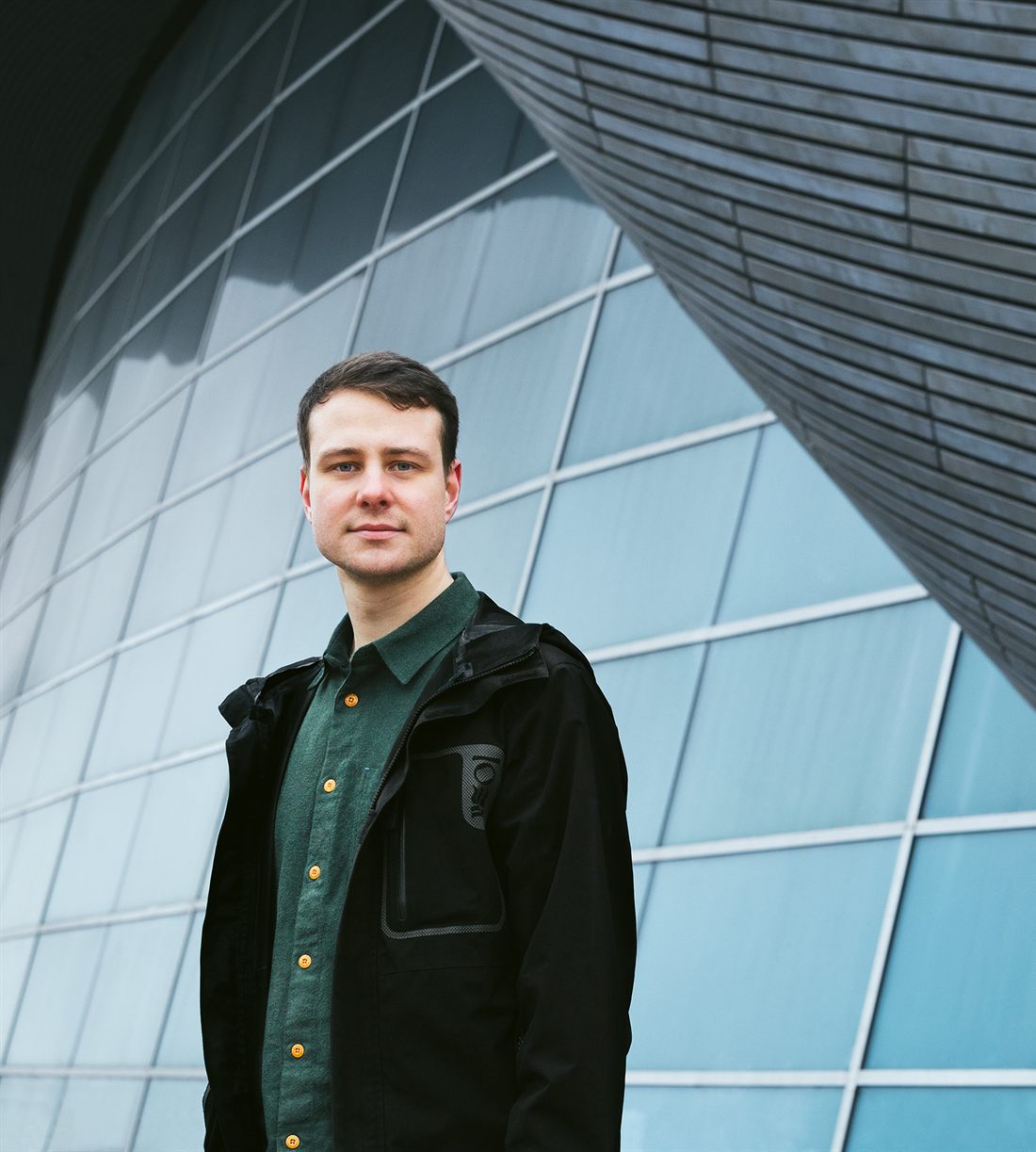
Phil Fieldhouse spent nine years at world-leading consultancy practices specialising in financial modelling of climate risk, building scalable consulting and software products, and publishing industry-leading guidance on investing in climate resilience.
Solutions.
Scalable products and commercial strategy
Your expertise packaged, priced, and sold as a product, allowing revenue to grow faster than your CEO's diary could ever allow.
Mapped workflows, internal tools built, and training provided enables teams to deliver consistent quality every time.
Commercial Strategy that establishes your place in the market and builds the reputation your firm deserves.
Your enquiry is ready to send to phil@fieldhousesustainability.com. You can also book a call directly.
Quantified climate risk and ROI-positive resilience investments
A defensible figure on climate risk, built with the instruments finance already trusts: discounted cash flow, Monte Carlo, and scenario analysis.
Hazard, exposure, and vulnerability carried through to financial consequence across standing portfolios and M&A due diligence.
Credible options to reduce risk and capture resilience value, ready for an investment committee.
Your enquiry is ready to send to phil@fieldhousesustainability.com. You can also book a call directly.
Climate confidence from Due Diligence to Disclosure
Make critical investment decisions with the knowledge that an expert has verified outputs from climate risk platforms and quantified risk in terms relevant to your context.
Resilience strategy built from decisions backwards, for organisations whose exposure is operational, not just reputational.
Complete disclosures that satisfy requirements including any TCFD-derived framework (i.e. IFRS S1 and IFRS S2), EU CSRD & EU Taxonomy, and other global standards.
Your enquiry is ready to send to phil@fieldhousesustainability.com. You can also book a call directly.
Making climate expertise valuable
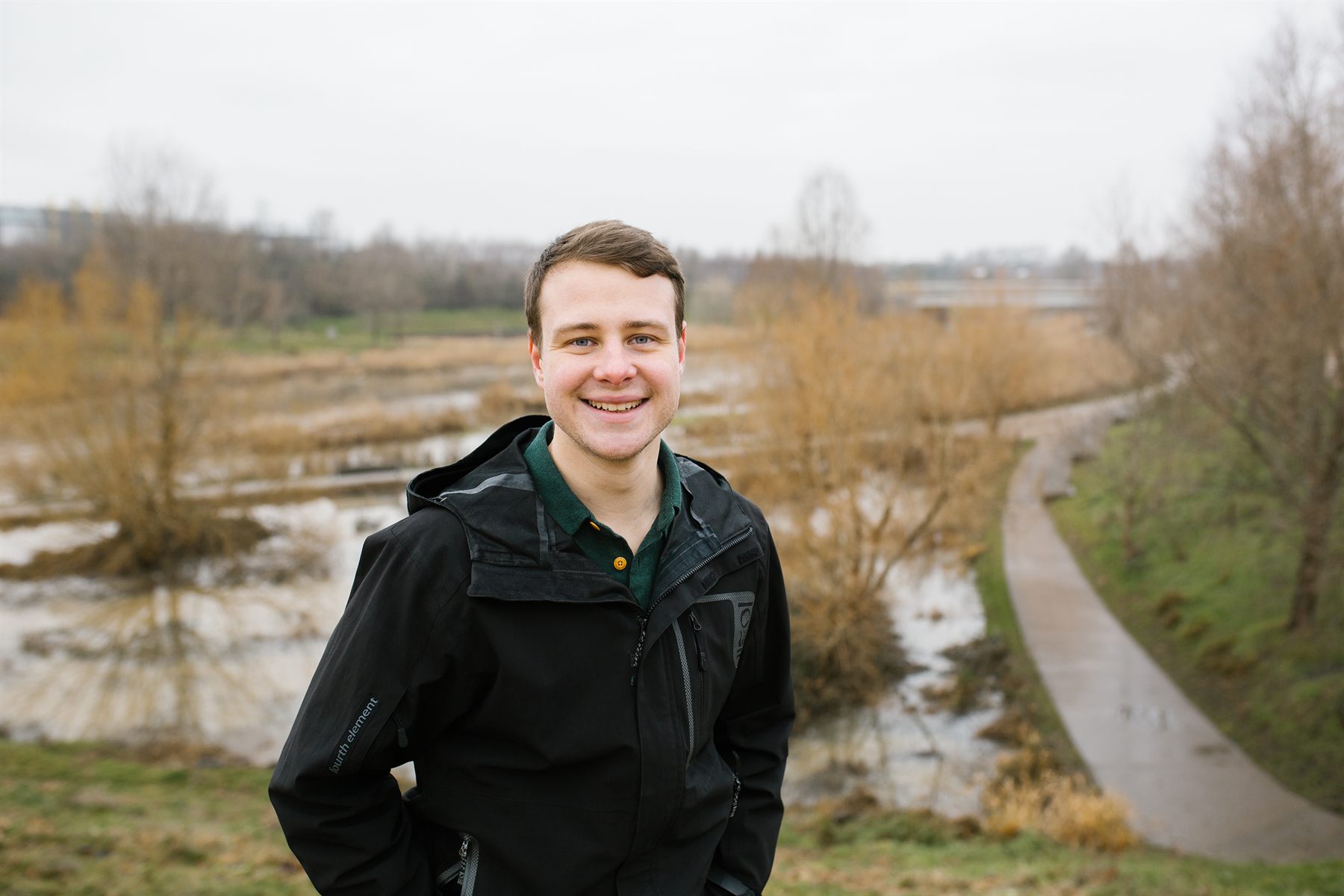
Fieldhouse Sustainability is me, Phil Fieldhouse: civil engineer by training (BEng Hons), marine environmental manager by choice (MSc, Distinction), based in Edinburgh. I've spent nine years across world-leading consultancies (Arup, EVORA Global, and ERM) advising investors, corporates, and government bodies on climate resilient investments, nature-based infrastructure, and sustainability between the build and natural environments.
At COP25 in Madrid, representing Arup and Global Ocean Trust, I sat in a room of financiers, engineers, and non-profits grappling with how to prove and scale sustainable solutions. It left a lasting impression, and I've since spent my career helping real estate and infrastructure investors and asset managers build ROI-positive investment plans to enhance climate resilience. I've also advised and undertaken technical assessments for corporates.
Along the way, I've had the pleasure of advising many NGOs too, working with Conservation International and the IUCN on nature-based solutions, aquaculture, and green-grey infrastructure, as well as the UK Centre for Ecology and Hydrology communicating outcomes of peatland restoration.
The same thing has happened at every firm I have worked in: brilliant bespoke work delivered by a few senior people, creating delivery bottlenecks and reducing time spent developing pipelines. I kept becoming the one who built systems: mapping workflows, codifying data requirements, and saving logic gates and conditions to automate repeatable tasks. Then I started building tools to deliver more high quality work more quickly, with senior colleagues reviewing the outcomes once, and junior consultants able to consistently generate work above the quality threshold required.
My love of business and entrepreneurial spirit means I really value being present within my local community and the businesses that anchor it. I keep one or two discounted engagements with owner-operated local businesses, where I advise them on how to better manage operations, develop long-term plans to grow, and become more sustainable in the process!
I'm available for a coffee.
In person or online; engagements begin with a conversation.
Find me on LinkedIn